
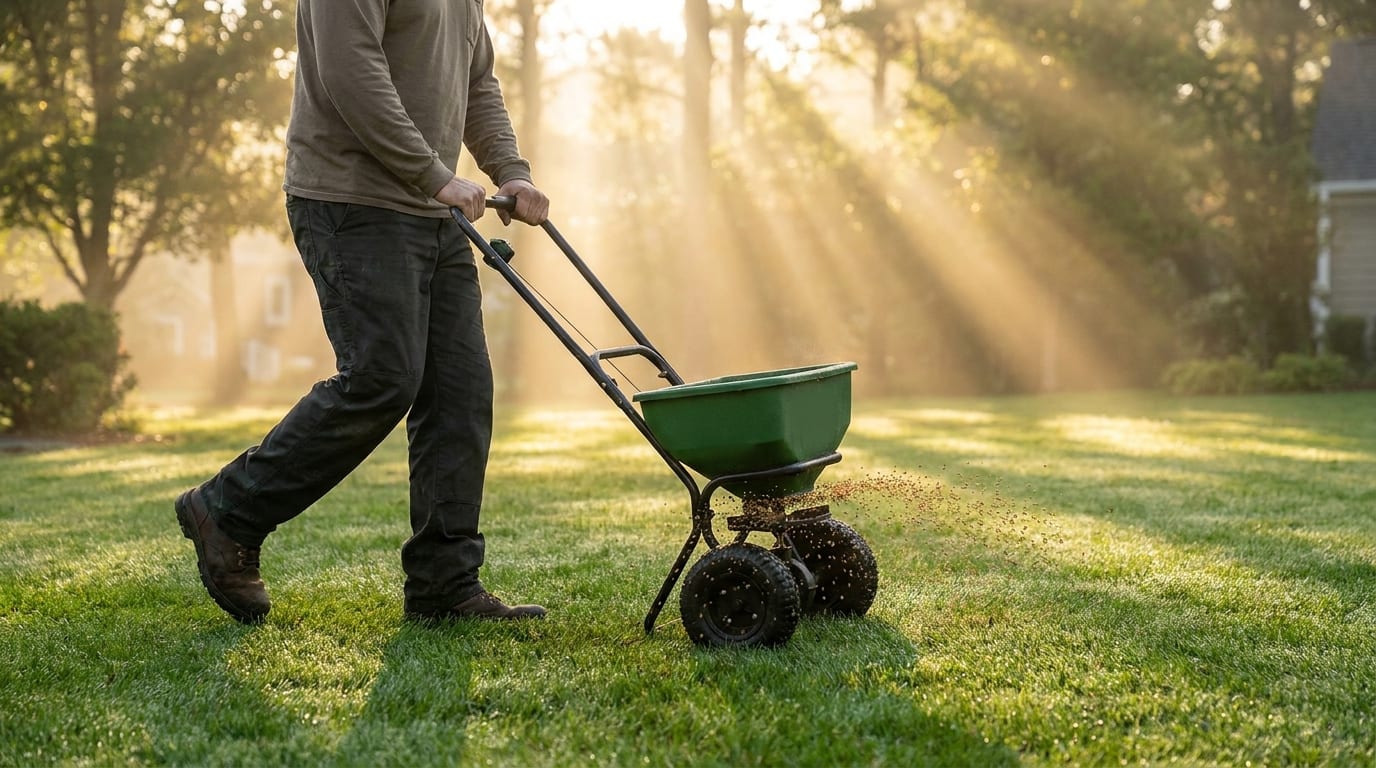
Weed & Feed · Nashville, TN
Weed control and lawn fertilization in Nashville, TN
Weed control, fertilization, aeration and overseeding on a Middle Tennessee schedule — timed to the season rather than to a monthly invoice.
Estimate request
Tell us about the lawn
Straight to us, and a reply the same day.
Nashville's Weed and Feed
Nashville's Weed and Feed is a lawn treatment company based in Nashville, Tennessee, working 65 towns across 12 counties of Middle Tennessee. Lawn treatment companies that know the weed calendar, hold the license to spray, and treat the grass you have.
More about who we are, what we commit to, and who answers for this site.
What we fix
Crabgrass every summer and a lawn that will not thicken
Recognize one? You are in the right place.
- Crabgrass back every summer
- Lawn thin and patchy
- Weeds returning weeks after spraying
- Brown patches spreading in humidity
- Grass that never fills back in
- Soil hard and compacted
Services
Weed control, feeding and soil work we do
Lawn fertilization, weed control, and the care program that ties them together.
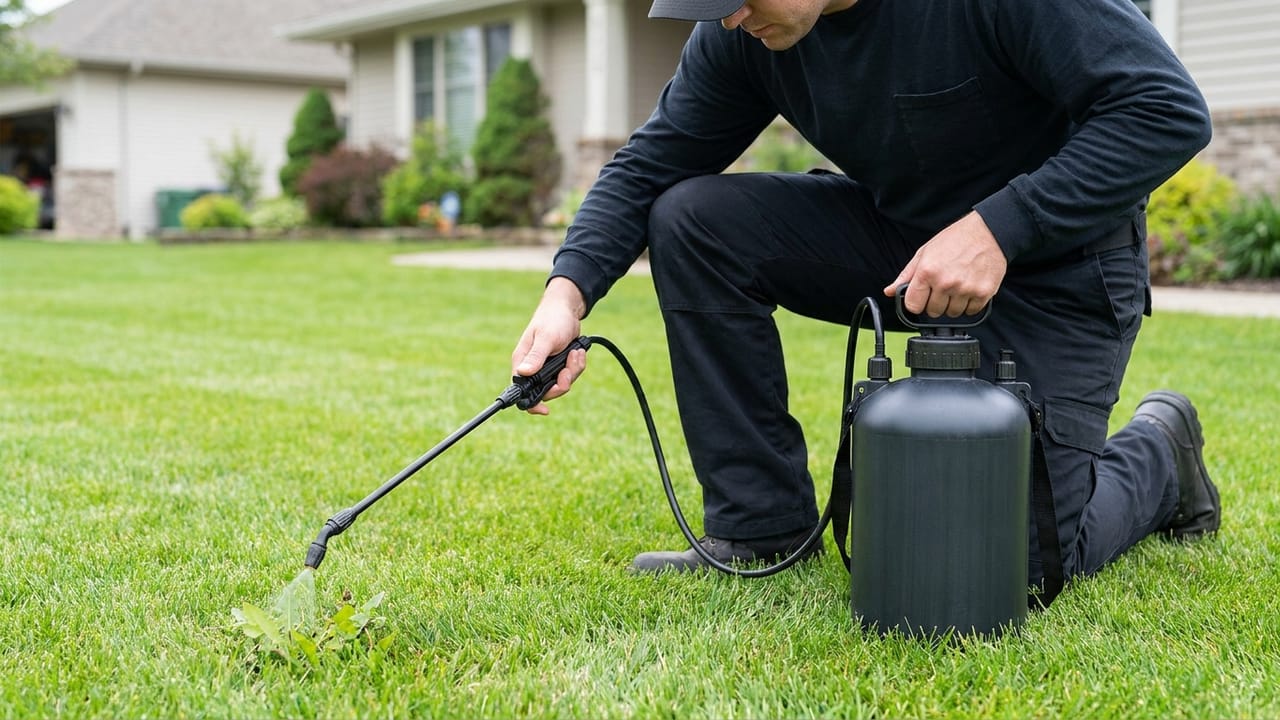
Weed Control
Broadleaf and grassy weeds treated with the right product for the turf type, not a single blanket spray.
Learn more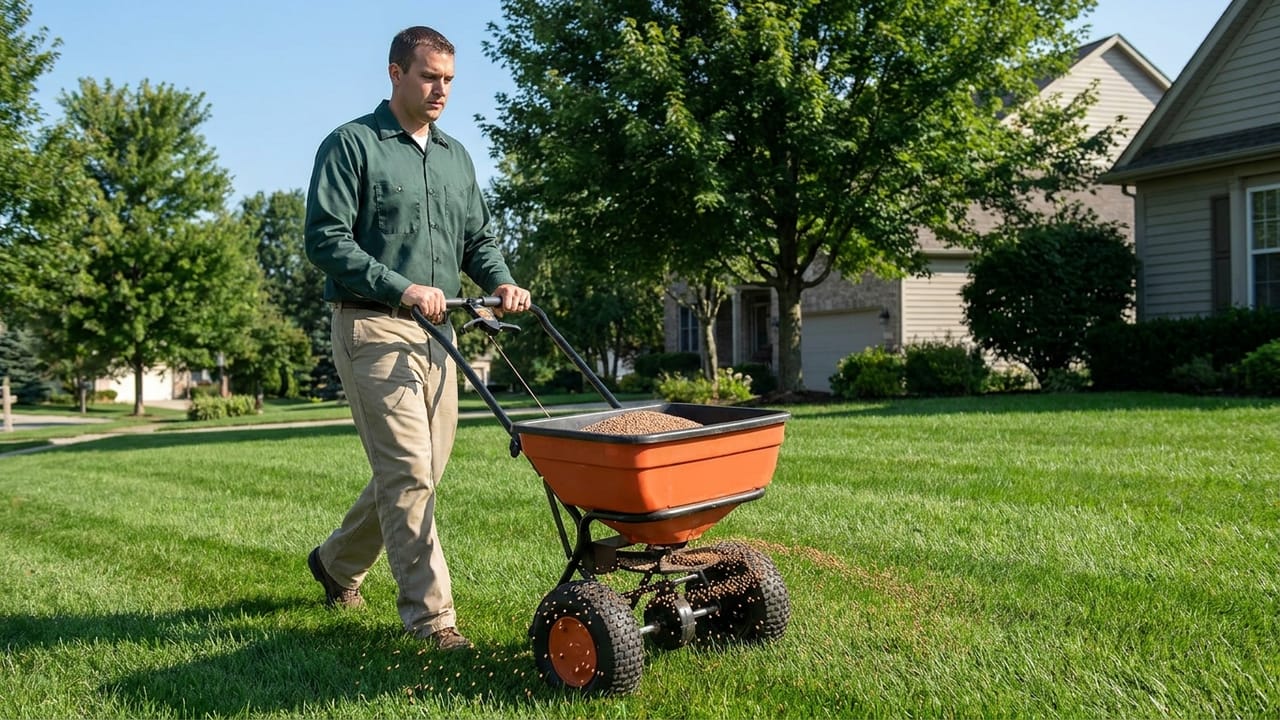
Fertilization
Fed to a schedule built around warm-season and cool-season grasses, which behave nothing alike here.
Learn more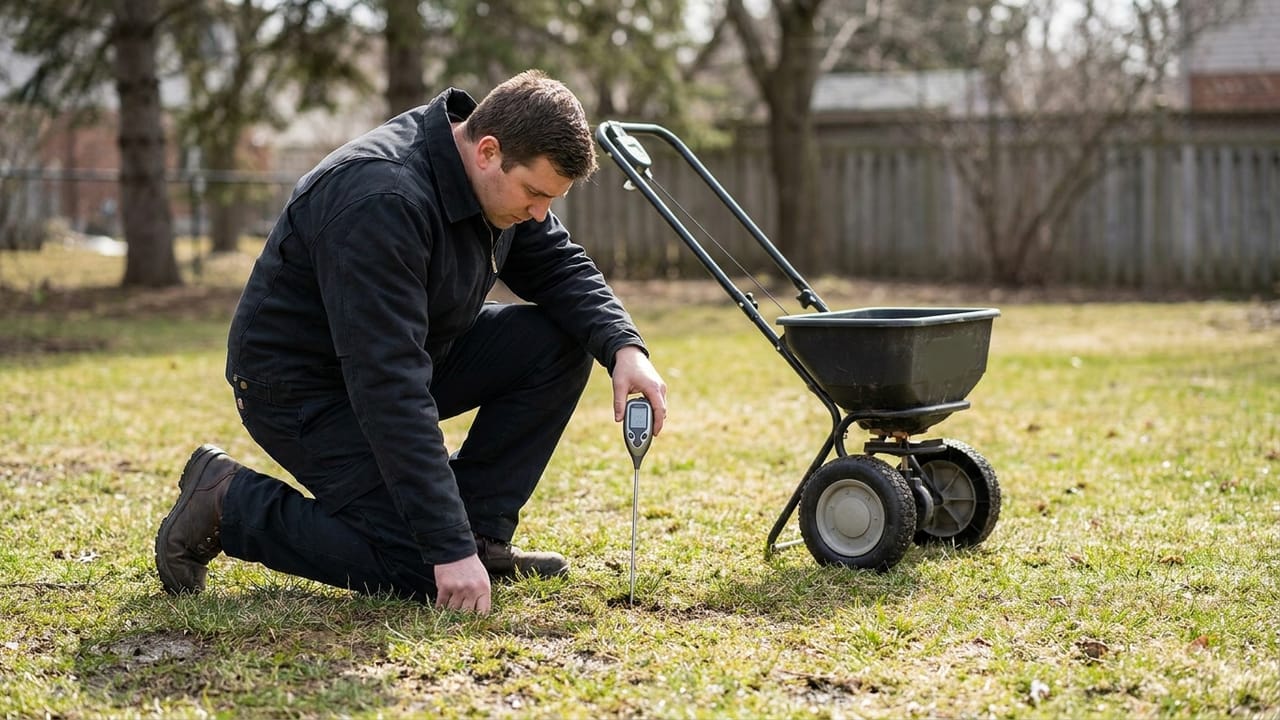
Pre-Emergent Treatment
Applied on soil temperature rather than the calendar — the only thing that actually stops crabgrass.
Learn more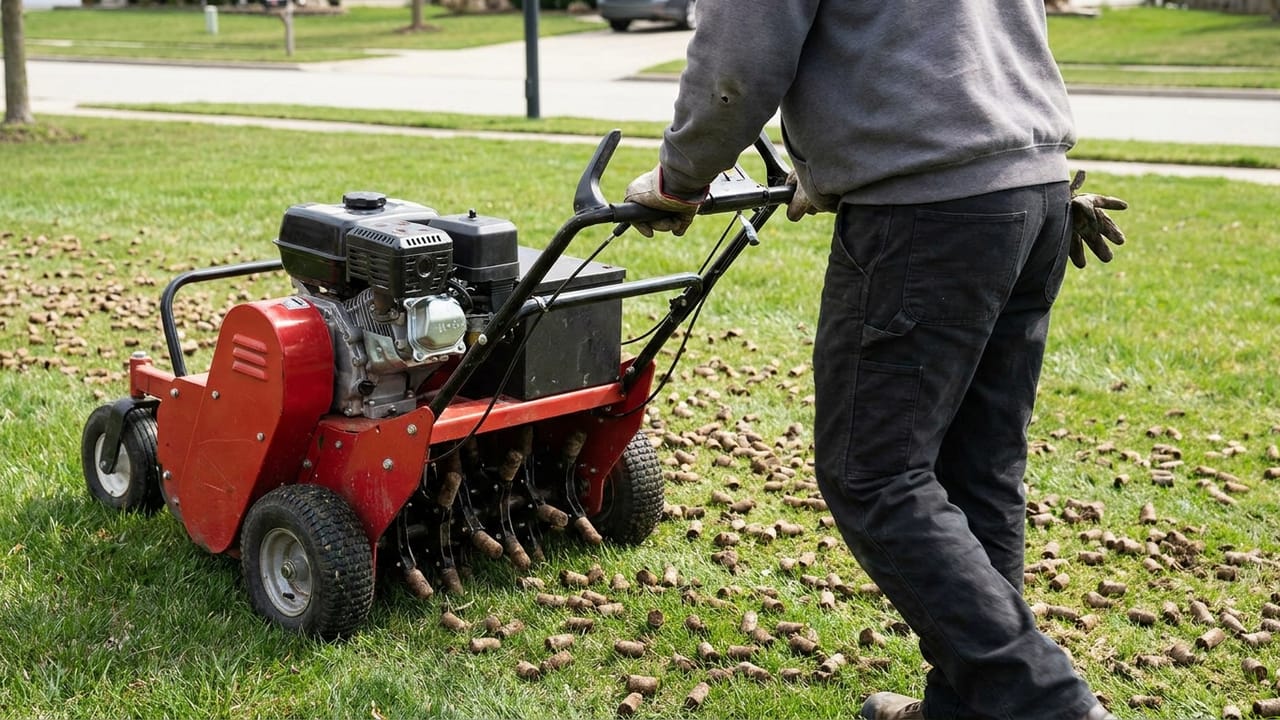
Aeration & Overseeding
Core aeration and overseeding in the window where the seed will actually take.
Learn more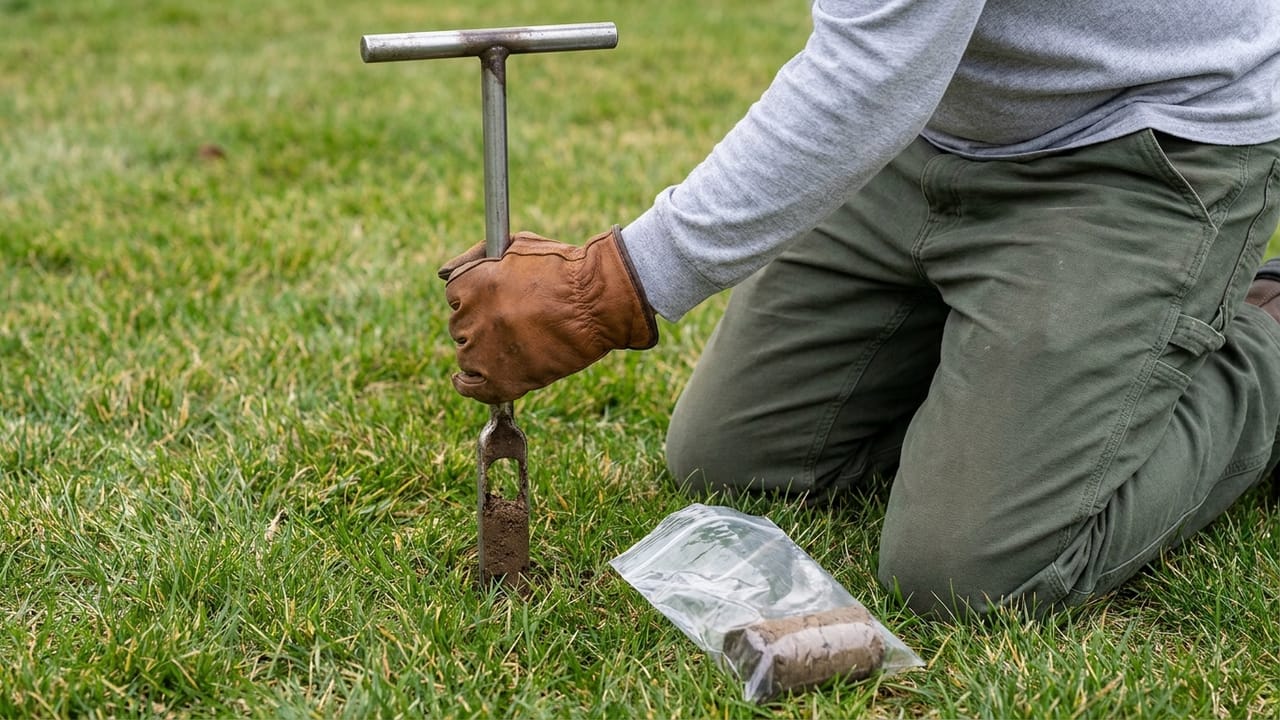
Soil Testing & Amendment
Testing pH and nutrients before feeding, because Middle Tennessee soil is often the reason the lawn is struggling.
Learn more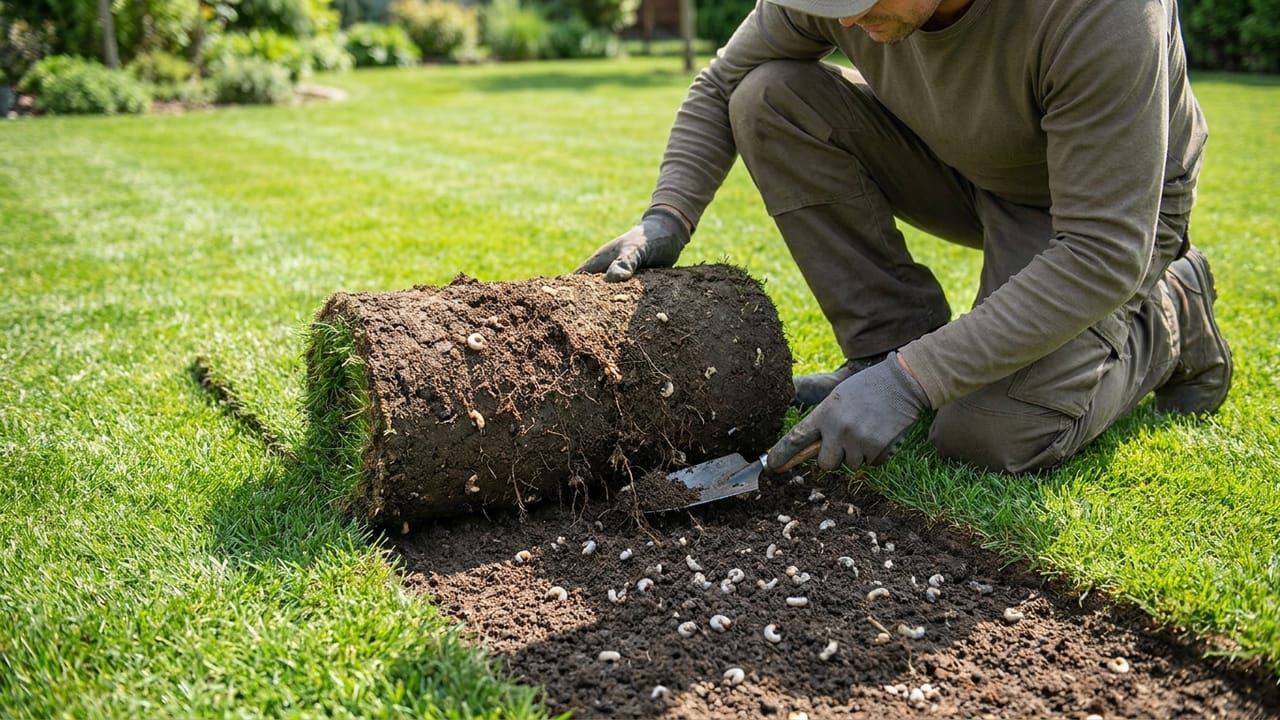
Grub & Insect Control
Grubs, armyworms and chinch bugs treated at the stage where treatment works.
Learn moreHow it works
Test the soil, time the pre-emergent, feed to the grass type
Tell us what is happening
Send the form; describe it in your own words.
Get a free written estimate
One of our lawn treatment companies looks at the work and gives you a scope and a price in writing, with no obligation to go ahead.
We do the work
Agreed price, tidy site, workmanship in writing. Not right afterwards? We come back.
Why trust us
What a licensed applicator owes your lawn
No reviews on this site yet: a company this new has none to show, and a treated lawn is judged in June.
-
Time the pre-emergent
Applied when the soil hits the temperature crabgrass germinates at, which is a date the technician watches, not a month on a bag.
-
Treat for the grass you have
Fescue and Bermuda take different products at different times, and the program is written for yours.
-
Test the soil
A soil test sets the lime and the fertilizer; guessing wastes both.
-
Spray without the license
Tennessee requires it for commercial application, and every technician of ours holds it.
-
Feed in the heat
Nitrogen on fescue in July burns it; the calendar follows the grass, not the invoice.
-
Promise no weeds
A treated lawn has fewer weeds, and the honest program says which ones will still need spot treatment.
Middle Tennessee
Fescue, Bermuda and the transition zone around Nashville
Middle Tennessee sits in the transition zone, where neither warm-season nor cool-season grass is fully at home. That is why lawn advice written for anywhere else so often fails here.
Most Nashville lawns are fescue, bermuda or a mix, and the mix is the hard case — what feeds one at the right time can stress the other.
Our humid summers drive brown patch in fescue almost every year, and it is a fungal problem rather than a watering or feeding problem, which is where most people go wrong.
Service area
Our treatment routes in Middle Tennessee
Lawns in Nashville and 64 further towns across 12 counties get our treatments, as does any Middle Tennessee lawn up to about an hour out from Nashville.
FAQ
What people want to know about weed control and feeding
How much does lawn treatment cost in Nashville?
A lawn treatment program in Nashville is priced by the square footage of turf and the number of applications in the season, quoted as one number for the year; a single treatment is priced on its own, and a soil test is a separate line worth paying for.
How fast can you get someone out?
A first application in Nashville is scheduled to the calendar — the pre-emergent window in late winter is the one that matters most — and a program started mid-season begins with the treatment the lawn needs now.
What areas do you cover?
Treatment routes through Nashville continue to Franklin, Brentwood, Murfreesboro, Hendersonville; the service covers 65 towns in 12 counties.
Are you licensed and insured?
Every technician on our crews works under a Tennessee Department of Agriculture charter, holds the applicator license, and is covered by liability insurance on file with us.
Do you charge for an estimate?
No — free, written, and no obligation.
What if something goes wrong afterwards?
Send the form; the workmanship is backed in writing.
When should pre-emergent be applied in Tennessee?
Early spring, before soil temperature reaches about 55°F for several consecutive days — typically late February into March in Middle Tennessee, though it moves with the season. Applied late, it does nothing, because crabgrass has already germinated. A second application in autumn addresses winter annual weeds such as poa annua and henbit.
Why do weeds come back weeks after spraying?
Because spraying kills what is growing, not what is waiting. Post-emergent herbicide has no residual effect on seed in the soil, and a thin lawn leaves bare ground for the next flush to fill. Lasting control comes from a pre-emergent barrier in spring plus thickening the turf, so there is no bare soil for weed seed to occupy.
How many lawn treatments a year does a lawn need?
Most programs run five to seven applications across the year — pre-emergent, fertilization timed to the grass type, broadleaf control and often grub or disease treatment. The timing matters more than the number: fertilizing fescue heavily in summer pushes growth when the plant is under heat stress and does more harm than skipping it.
Is weed and feed the same as a lawn treatment program?
No, and the distinction matters. Combined weed-and-feed products apply herbicide and fertilizer together at one timing, which is rarely correct for both — the best moment to feed a lawn is seldom the best moment to treat weeds. A program separates them and times each to the grass type and the season, which is why results differ so much from a bag off the shelf.
Can I overseed and use pre-emergent in the same year?
Yes, but not at the same time — pre-emergent stops grass seed germinating just as effectively as weed seed. The usual sequence in Middle Tennessee is autumn overseeding, then spring pre-emergent once the new grass is established. If you plan to overseed in autumn, an autumn pre-emergent has to be skipped or chosen specifically to allow seeding.
Free estimate
Ready for a thicker lawn next season?
Send Nashville's Weed and Feed the address and the grass you have, and we will write up a treatment program timed to the soil temperature here.